
 By Michael Caine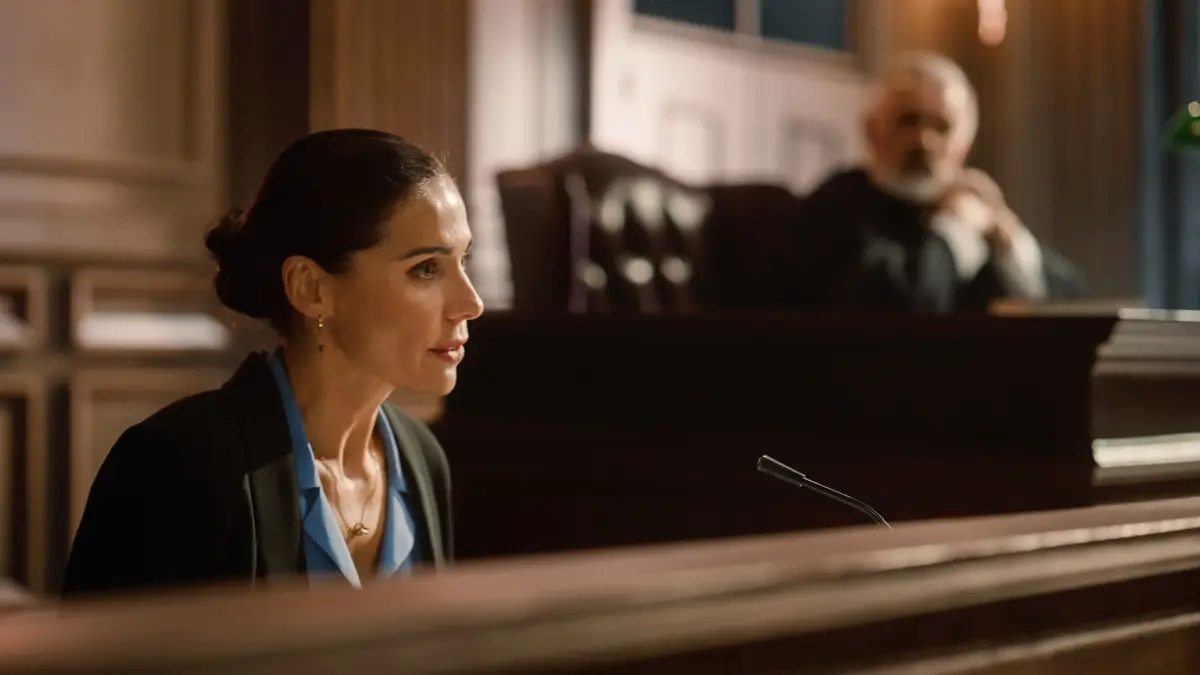
Courtrooms do not run on facts alone. They run on which facts people believe, and that usually turns on the witness standing a few feet from the judge, trying not to sweat through their shirt. A shaky sentence can bruise a strong case faster than most people realize.
That is why court witness factors matter so much. When you watch a trial closely, you start to see that testimony lands only when it feels believable, steady, and grounded in real memory. Jurors may hear the same words, yet walk away with very different impressions based on tone, timing, confidence, and motive.
A witness does not need to be perfect. Real people rarely are. But they do need to sound honest in a way that survives pressure, contradiction, and sharp questioning. That is where cases start to tilt.
If you want to understand why some lawsuits collapse while others gain momentum, stop staring only at the paperwork. Watch the people. The documents set the frame, but testimony often decides whether the frame holds or cracks.
Why Witnesses Win or Lose a Case Before Verdict
Most trials feel unpredictable from the outside, yet inside the courtroom the pattern often shows up early. You can sense which witness the jury leans toward long before closing arguments. That instinct is not magic. It comes from a pile of small signals.
Jurors notice whether a witness answers the question asked or wanders into speeches. They notice whether the person sounds grounded or rehearsed. They also catch attitude faster than lawyers think. A defensive witness can make even true testimony feel slippery.
I have seen people assume the most detailed witness will always carry the day. That is not how it works. The witness who feels real usually beats the witness who sounds polished. Clean language helps, but believable human texture helps more.
Take a car crash case with two drivers telling opposite stories. One gives exact distances, exact speeds, exact timing to the second. The other admits uncertainty on side details but stays firm on what they clearly saw. Strange as it sounds, the second witness often feels safer to trust.
That is the tension at the heart of trials. Precision can impress, but forced precision can also smell wrong. When testimony sounds too neat, jurors start wondering who ironed it flat.
This is where case outcomes quietly begin to shift. By the time evidence piles up, the emotional verdict about who feels trustworthy may already be forming.
Credibility Starts Before a Witness Says a Word
A witness begins testifying before the first answer leaves their mouth. Posture, pace, facial expression, and simple composure all shape how people listen. That may sound unfair. It is also true.
Credibility does not mean looking perfect or speaking like a professor. It means seeming comfortable with the truth, even when the truth is messy. A witness who says, “I do not remember that part,” can sound stronger than one who tries to fill every gap.
Jurors also read whether a person appears overly coached. They may not use that word, but they feel it. When answers arrive with machine-like neatness, suspicion creeps in. Human memory has edges and rough spots. Real testimony should too.
Think about an employee testifying in a workplace retaliation case. If they admit they were angry, confused, and still certain about the threat they heard, that honesty often lands hard. If they deny every awkward feeling, the story starts losing oxygen.
Judges notice the same thing, though they process it differently. A bench trial especially rewards restraint, clarity, and directness. Drama rarely helps. Precision with humility does.
That is why court witness factors are bigger than the transcript. The transcript gives you words. The courtroom gives you the person behind them. And people decide whether those words feel earned.
Consistency Under Pressure Changes Everything
Cross-examination is where stories either harden into truth or split at the seams. A witness may sound solid on direct examination, then unravel the moment the questions tighten. That shift matters more than most casual observers think.
Consistency is not about repeating the same sentence like a robot. It is about keeping the core account steady while handling pressure without drifting into invention. Once a witness starts patching weak spots with guesses, trouble arrives fast.
Lawyers know this, so they test timing, sequence, and prior statements. A witness who says the hallway was empty, then later remembers three people standing there, creates a problem even if the main accusation remains unchanged. Little cracks invite bigger doubt.
Still, perfect repetition can look staged. That is the twist. Strong witnesses stay consistent on central facts while allowing natural variation in wording. Same truth, different phrasing. That sounds human.
Consider a robbery trial where a store clerk identifies the suspect. If the clerk stays firm on the face, the jacket, and the direction of escape, minor uncertainty about exact minutes may not hurt much. If the identification itself shifts, the whole structure wobbles.
Consistency under pressure separates memory from performance. It tells the court whether the witness owns the story or merely borrowed it. Once that distinction becomes obvious, the room changes.
Bias, Motive, and Relationships Shape Trust
No witness walks into court as a blank slate. People bring loyalties, grudges, fears, and private incentives with them. The court knows this, and jurors know it too, even when they cannot explain it in legal terms.
Bias does not automatically destroy testimony. A spouse can tell the truth. A coworker can tell the truth. Even a former rival can tell the truth. The issue is not whether a relationship exists. The issue is whether the witness seems shaped by it.
That is why lawyers spend so much time building context around personal ties. If a witness stands to gain money, revenge, protection, or public sympathy, the jury will measure every answer against that possible motive. They should.
A classic example shows up in family business disputes. One sibling swears the other forged documents. Maybe that happened. But if years of resentment sit under the surface, the court wants more than forceful language. It wants grounding, records, and details that survive scrutiny.
Here is the counterintuitive part: admitting bias can make a witness stronger. When someone says, “Yes, I am upset with him, but that is not why I am here,” and then backs the story with facts, that candor can restore trust.
This is one reason case outcomes rarely turn on testimony in isolation. The court weighs what was said, who said it, and why that person might want the story believed.
Memory Is Fragile, and Court Exposes It Fast
People treat memory like a video replay. It is nothing like that. Memory bends, fades, fills gaps, and absorbs outside influence with alarming ease. Courtroom questioning exposes that weakness in minutes.
A witness may honestly believe a version of events that changed over time. That is what makes this area tricky. False confidence can sound stronger than careful truth. Jurors who do not understand memory may reward the wrong person.
Stress worsens the problem. So does time. So does repeated retelling. After months of talking to police, lawyers, family, or coworkers, many witnesses stop separating what they truly recall from what they later learned. That blend becomes dangerous on the stand.
Eyewitness cases show this problem in bright lights. A person may clearly remember fear, noise, or chaos while misremembering the face they saw for only seconds. Yet that same witness may speak with complete confidence. Confidence and accuracy are not twins. Not even close.
Smart lawyers handle this with care. They pin down the conditions of observation, ask what the witness recorded early, and compare first statements with later certainty. That method often reveals whether the memory grew sharper naturally or got polished by repetition.
If you ignore the weakness of memory, you misread trials. Badly. A sincere witness can still be wrong, and that simple fact changes how every serious case should be judged.
Lawyers Change the Weight of Witness Testimony
Even a strong witness can get wrecked by poor lawyering. The reverse is true too. A capable lawyer can help a modest witness present clear, believable testimony without turning them into a cardboard cutout.
Direct examination should feel clean and alive. Good lawyers guide witnesses toward sequence, clarity, and vivid detail. Bad lawyers ask bloated questions, bury the story, and make the witness sound confused when the problem came from counsel, not testimony.
Cross-examination works by pressure and selection. A sharp lawyer does not need fireworks. They need timing. One well-placed prior statement, one missing detail, one exposed motive—sometimes that is enough to shrink a witness before the jury’s eyes.
You see this often in assault, fraud, and workplace cases where one witness carries emotional weight. If the lawyer lets that person ramble, sympathy can fade. If the lawyer frames the testimony around concrete scenes, dates, and reactions, the witness becomes easier to trust.
The best lawyers also know when to stop. Too much polishing makes a witness brittle. Too much aggression on cross can backfire and make the lawyer look like the problem. Jurors punish that faster than some trial teams expect.
So yes, testimony matters. But testimony never arrives alone. It arrives shaped, challenged, and interpreted by advocates who know that credibility is not just found in a witness. It is built in the room.
Conclusion
Trials do not turn on drama the way television suggests. They turn on whether real human beings believe another real human being under pressure. That is why court witness factors deserve your full attention if you care about how verdicts actually take shape.
The strongest witnesses are rarely the flashiest. They are the ones who sound anchored, admit what they do not know, survive pressure without inventing, and carry no obvious hunger to bend the story. That kind of testimony has weight. Everything else starts floating.
If you remember one thing, make it this: confidence alone proves nothing. Courts should care far more about consistency, motive, memory limits, and the way testimony holds together when the easy answers run out.
That matters right now because modern cases move through social pressure, fast narratives, and public opinion before they ever reach a verdict. The courtroom still demands something older and harder—proof that can survive scrutiny.
So the next time you read about a trial or review a case file, do not just ask what the witness said. Ask why the court believed it. Then follow that question all the way through.
How do witness credibility issues affect a court case outcome?
Witness credibility often decides whether testimony helps or harms a case. When a witness sounds evasive, overly polished, or plainly biased, judges and juries start doubting the whole story. Once trust slips, even strong supporting facts may lose their punch.
What makes a witness believable in a USA court?
A believable witness speaks clearly, answers directly, admits limits, and stays steady under pressure. People trust testimony that feels natural rather than rehearsed. Small signs of honesty, like saying “I don’t know,” often carry more weight than polished certainty ever does.
Why does cross-examination change how juries view witnesses?
Cross-examination strips away comfort and tests whether the story still stands. A witness who stays calm and consistent often gains respect. A witness who argues, guesses, or changes details starts looking unreliable, and juries notice that shift faster than many lawyers expect.
Can a confident witness still be wrong in court?
Yes, and that happens more often than people want to admit. Confidence can impress a jury, but it does not guarantee accuracy. Memory can bend under stress, time, and repetition, so a certain witness may still deliver testimony that misses the truth.
Do judges and juries care about witness body language?
They do, even when they claim to focus only on words. Posture, facial tension, eye contact, and tone can shape how testimony feels. Body language never proves truth by itself, but it strongly affects whether a witness comes across as open or guarded.
How does bias influence a witness in a legal case?
Bias changes how testimony gets received because motive always matters in court. A witness may favor a friend, resent a former partner, or fear consequences. That does not make the testimony false, but it gives the court a reason to test it harder.
Why are inconsistent witness statements such a big problem?
Inconsistent statements damage trust because they suggest the story may be shifting to fit pressure. Courts understand that memory is imperfect, but major changes raise alarms. Once a witness loses the thread on key facts, their entire account becomes harder to accept.
Are eyewitnesses always strong evidence in criminal trials?
No, eyewitnesses can be powerful and deeply flawed at the same time. Stress, poor lighting, distance, and fear can distort what someone thinks they saw. A sincere identification may still be mistaken, which is why careful testing matters so much.
How do lawyers prepare witnesses without making them sound fake?
Good lawyers help witnesses organize facts, stay calm, and answer honestly without stuffing lines into their mouths. The goal is clarity, not theater. Once preparation turns into scripting, the testimony often loses the rough edges that make real truth believable.
What should you watch for when evaluating witness testimony?
Watch for consistency, motive, memory limits, emotional control, and whether answers stay tied to real observations. Listen for gaps filled with guesses. Also notice whether the witness becomes more believable under pressure or starts sounding like someone protecting a story.
Can one weak witness hurt an otherwise strong case?
Yes, one weak witness can do real damage, especially if the case leans heavily on that person’s account. A single shaky performance can plant doubt that spreads into other evidence. In court, one crack sometimes becomes the line everyone follows.
Why do witness factors matter more than people expect?
Most people think verdicts rise or fall on documents alone, but testimony often gives those documents meaning. Witness factors shape trust, and trust shapes interpretation. When the witness feels solid, evidence gains force. When the witness stumbles, everything around it looks weaker.